


A C-reactive protein test detects inflammation in your body. It helps doctors assess infections, monitor inflammatory conditions and track treatment response, but it can't identify the cause or diagnose a condition alone.
A high result doesn't automatically mean a serious illness. Understanding which test you had, its units and your symptoms helps put the number into context.
Key Takeaways
Standard CRP measures inflammation, while high-sensitivity CRP adds information about heart risk. Your symptoms, laboratory range and changes over time matter more than an isolated flagged result.
What a Standard C-Reactive Protein Test Detects
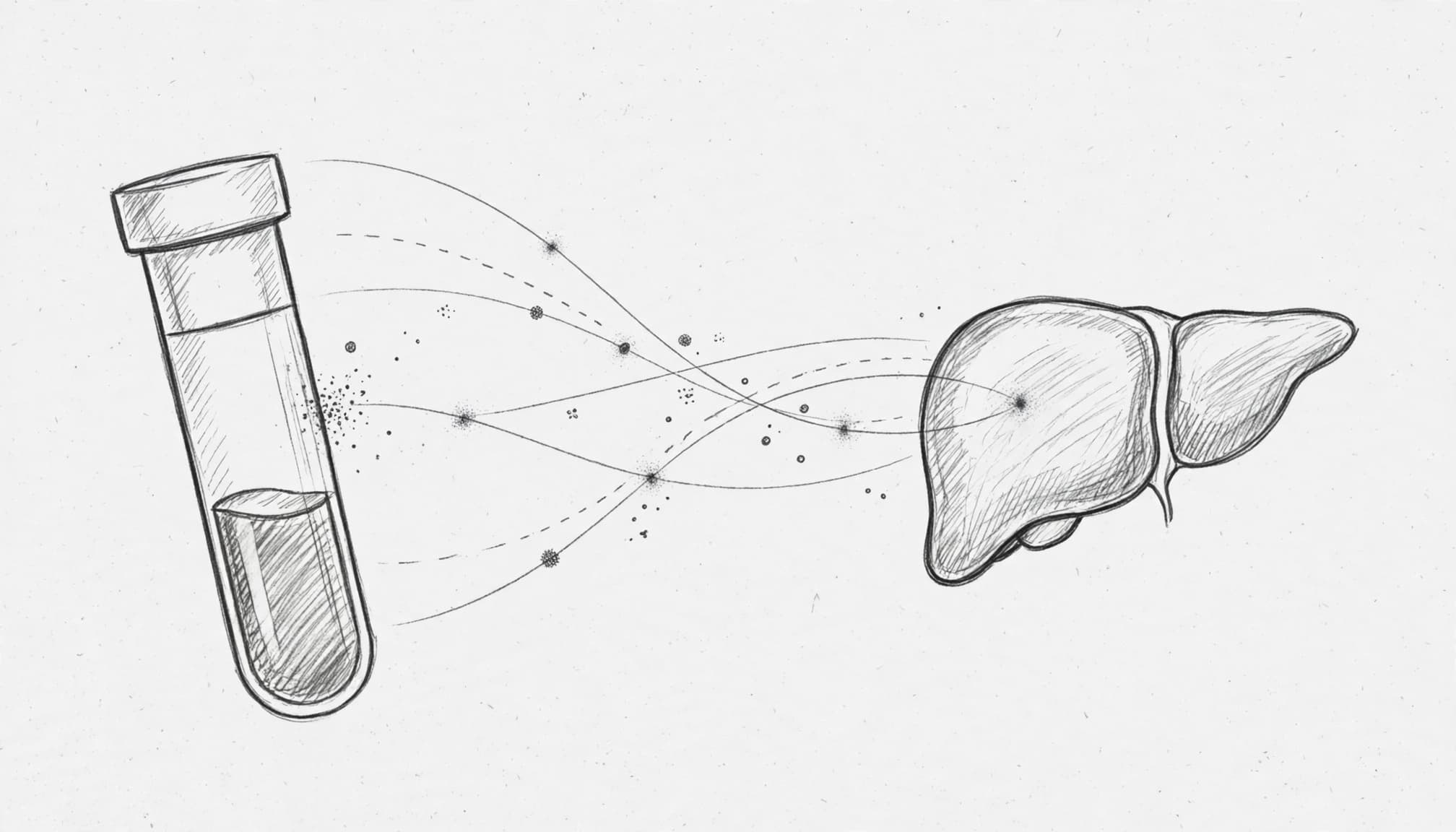
Your liver produces C-reactive protein, or CRP. CRP levels rise within hours of infection, tissue injury or inflammation.
Detecting and monitoring inflammation
Doctors may order CRP testing to help assess infection, including bacterial infections such as pneumonia. It can also help assess chronic inflammation associated with an autoimmune disease, such as rheumatoid arthritis or inflammatory bowel disease. CRP testing can support assessment in people with lupus, although CRP doesn't reliably reflect every lupus flare-up.
Repeated measurements help monitor recovery. Falling levels generally suggest inflammation is subsiding or treatment is working.
Understanding the test's limits
CRP can't show where inflammation is happening or reliably distinguish a bacterial infection from a viral infection. Doctors may need blood counts, cultures, imaging or other tests.
A normal result doesn't exclude early or localized infection. Although the liver makes CRP, the test isn't a direct measurement of liver or kidney function.
CRP Reference Ranges and Elevated Results
Laboratories set a normal range based on their testing methods and reference populations. Use the reference range printed on your report; neither range is a diagnosis. Cleveland Clinic lists normal CRP as under 0.9 mg/dL; MedlinePlus describes healthy CRP levels as 0.8 to 1.0 mg/dL or lower.
These commonly cited categories describe standard CRP results.
<table><thead><tr><th>Category</th><th>CRP in mg/dL</th><th>Equivalent in mg/L (milligrams per liter)</th></tr></thead><tbody><tr><td>Normal, Cleveland Clinic convention</td><td>Under 0.9</td><td>Under 9</td></tr><tr><td>Moderate elevation</td><td>1.0 to 10</td><td>10 to 100</td></tr><tr><td>Marked elevation</td><td>Above 10</td><td>Above 100</td></tr><tr><td>Severe elevation</td><td>Above 50</td><td>Above 500</td></tr></tbody></table>The categories aren't diagnoses. Use the reference interval printed on your report.
Units matter: 1 mg/dL equals 10 milligrams per liter. A result of 10 mg/L is therefore much lower than 10 mg/dL.
Cleveland Clinic's CRP guidance associates results above 50 milligrams per liter with acute bacterial infections about 90% of the time. That threshold equals 5 mg/dL, separate from its severe-elevation category above 50 mg/dL. Neither threshold proves bacterial infection.
Moderate elevations need assessment alongside symptoms. Marked or severe elevations can occur with serious illness, including sepsis. CRP alone can't diagnose sepsis or establish the cause of an elevation. Marked or severe results warrant prompt medical review, especially when you're unwell.
Standard CRP Versus High-Sensitivity CRP
Both tests measure the same protein. High-sensitivity CRP, or hs-CRP, detects smaller increases that may help assess cardiovascular risk.
How heart-risk ranges differ
Commonly used hs-CRP categories apply when you're otherwise well.
<table><thead><tr><th>hs-CRP result</th><th>Relative cardiovascular risk</th></tr></thead><tbody><tr><td>Under 1.0 mg/L</td><td>Low</td></tr><tr><td>1.0 to 3.0 mg/L</td><td>Average</td></tr><tr><td>Above 3.0 mg/L</td><td>High</td></tr></tbody></table>Mayo Clinic's hs-CRP guidance uses a different division: below 2.0 milligrams per liter indicates lower risk, while 2.0 mg/L or higher indicates higher risk. These are different assessment conventions, not interchangeable diagnostic cutoffs.
Who may benefit from hs-CRP testing
Testing may be most useful when your estimated 10-year heart attack risk is intermediate, around 10% to 20%. A clinician considers the result alongside LDL cholesterol, blood pressure, smoking, diabetes history, and your overall risk profile.
The result can contribute to risk assessment, but it doesn't diagnose heart disease or identify a problem in the blood vessels. Statin decisions depend on the full clinical picture, not this test alone.
It isn't necessary for everyone without symptoms. Mayo Clinic recommends averaging two hs-CRP measurements taken about two weeks apart. Infection or recent injury can distort cardiovascular-risk interpretation, so a healthcare professional should interpret results in context.
Preparing for the Blood Test
A sample is drawn from a vein in your arm, usually in under five minutes. The CRP test alone doesn't require fasting. Combined panels may require 8 to 12 hours without food.
Tell your healthcare professional about medicines and supplements, including magnesium, ibuprofen and aspirin. Don't stop prescription medicines without medical advice.
Intense weight training or a long run can temporarily raise CRP. Levels also tend to be higher in females and older adults. Pregnancy, birth control pills, hormone therapy, obesity and smoking can increase them.
Results usually arrive within one or two days, although some laboratories take a few days.
Frequently Asked Questions
What CRP level should I worry about?
There's no single emergency cutoff. A high or rising result needs interpretation with your symptoms and medical history. Seek urgent care for confusion, breathing difficulty, chest pain or rapidly worsening illness, regardless of your CRP number.
For a mild elevation without concerning symptoms, your clinician may repeat testing after a temporary illness resolves.
What does CRP testing cost in the UAE?
Our arthritis checkup with CRP costs AED 249 and includes 32 tests, including CRP and ESR, another inflammation marker. Results are available in about one day.
This is a package price, not a standalone CRP or hs-CRP fee. We offer home sample collection across the UAE and in-center appointments at Dubai Investment Park.
Understanding Your Result in Context
A C-reactive protein test is useful because it helps identify and track inflammation. Its meaning depends on clinical context, not the number alone.
Review the result with a healthcare professional who can connect the test type, units and trend with your symptoms. That combination guides whether you need repeat testing, further investigation or treatment.