


An electrolyte blood test can reveal changes in fluid balance, mineral levels, and the body's acid-base balance. It can help assess dehydration, kidney function, and medication effects, but an abnormal result doesn't identify a specific condition by itself.
Your symptoms, medicines, and other blood results give the numbers their clinical context. Understanding what's included in your panel is the first step toward understanding what it can tell you.
Key takeaways
-
A standard panel usually measures sodium, potassium, chloride, and bicarbonate, although packages differ.
-
High or low results can reflect fluid losses, medicines, or underlying illness, rather than diet alone.
-
Normal results don't rule out every hydration problem or depleted mineral stores, especially magnesium.
What an electrolyte blood test measures
Electrolytes are electrically charged minerals that help regulate fluids, nerve signals, muscle contractions, and heart rhythm. Bicarbonate also helps control acidity in the blood.
A standard clinical electrolyte panel usually measures sodium, potassium, chloride, and bicarbonate using a small blood sample drawn from a vein in your arm. MedlinePlus explains the panel's purpose and how it supports assessment of fluid and acid-base balance.
However, test packages don't all contain the same measurements. A listing marked "Na, K, Cl" covers sodium, potassium, and chloride; it doesn't automatically include bicarbonate.
Our Full Health Checkup lists those three electrolytes alongside kidney-related measurements, including creatinine, calcium, and estimated glomerular filtration rate (eGFR).
Calcium and magnesium may be ordered separately or included in broader testing. Their results add information about muscle, nerve, and heart function.
Normal electrolyte ranges and reading your report
These are commonly used adult reference ranges, rather than universal cutoffs.
<table><thead><tr><th>Electrolyte</th><th>Example reference range (mmol/L)</th><th>Main role</th></tr></thead><tbody><tr><td>Sodium</td><td>135 to 145</td><td>Fluid balance and nerve function</td></tr><tr><td>Potassium</td><td>3.5 to 5.0</td><td>Heart rhythm and muscle function</td></tr><tr><td>Chloride</td><td>98 to 106</td><td>Fluid and acid-base balance</td></tr><tr><td>Bicarbonate</td><td>22 to 29</td><td>Regulation of blood acidity</td></tr><tr><td>Total calcium, if included</td><td>2.2 to 2.6</td><td>Bones, nerves, and muscles</td></tr><tr><td>Magnesium, if included</td><td>0.7 to 1.0</td><td>Muscle, nerve, and enzyme function</td></tr></tbody></table>Compare your electrolyte levels with your laboratory's normal range, since laboratories use different methods and reference populations.
Start with the test name, then read the result, units, and printed range together. "Na" means sodium, while bicarbonate may appear as "CO2" or "total CO2."
Results commonly use mmol/L or mEq/L, while calcium and magnesium may instead use mg/dL. Values reported in mmol/L and mEq/L aren't always directly comparable.
An "H" or "L" flag means the value sits above or below that laboratory's range. It doesn't explain the cause or establish how urgently treatment is needed.
A slightly flagged result and a critically abnormal result need different responses. Symptoms, the size of the change, and previous results help determine the next step.
What abnormal electrolyte levels may mean

Clinicians interpret electrolyte levels across the panel, considering sodium and potassium alongside the other results. An isolated value or pattern may guide assessment, but it doesn't establish a specific condition.
Sodium and potassium
Low sodium is called hyponatremia. It may occur with certain diuretics, heart or liver conditions, or excessive plain-water intake relative to the body's ability to remove it. High sodium, called hypernatremia, often reflects too little water relative to sodium.
Low potassium, or hypokalemia, can follow vomiting, diarrhea, or some diuretics. High potassium, or hyperkalemia, may occur with reduced kidney function or certain blood pressure medicines.
Potassium affects the heart's electrical activity. A clinician may request an electrocardiogram (ECG) when a result is concerning.
Damaged blood cells in the sample, called hemolysis, can falsely raise potassium. An unexpected result may need prompt reassessment rather than an assumption about its cause.
Chloride and bicarbonate
Chloride often changes alongside sodium, but vomiting, diarrhea, and acid-base disorders can produce different patterns. A chloride blood test helps assess these relationships.
Low bicarbonate may suggest metabolic acidosis, a process that makes blood more acidic. High bicarbonate may suggest metabolic alkalosis, a process that makes it more alkaline.
Neither value establishes the diagnosis alone. Breathing-related changes can also affect bicarbonate. Kidney tests, glucose, or blood gas testing may be needed to explain the result.
Why doctors order an electrolyte panel
An electrolyte blood test helps assess dehydration or over-hydration, investigate kidney or heart disease, and monitor treatment. It can also identify side effects of diuretics and some blood pressure medicines.
Prolonged vomiting, diarrhea, or heavy sweating can change water and mineral levels. Kidney disease can reduce the body's ability to regulate electrolytes. Heart and liver conditions may also alter fluid balance.
Symptoms that can lead to testing include fatigue, muscle cramps or weakness, headache, dizziness, nausea, confusion, and an irregular heartbeat. These symptoms have many possible causes, so they can't confirm an electrolyte imbalance on their own.
Clinicians often review electrolytes alongside creatinine and eGFR to assess kidney function. Persistent fatigue may need a different investigation, such as a complete blood count or iron testing. An electrolyte panel doesn't replace those tests.
What normal results can't tell you
Hydration and dietary intake
A normal panel doesn't rule out dehydration. Sodium measures a concentration, rather than the total amount of water in your body. Losing water and salt together may leave sodium within range.
Blood electrolyte concentrations are tightly regulated. They aren't a direct record of yesterday's meals or a complete measure of nutritional intake.
Doctors therefore assess symptoms, fluid losses, blood pressure, urine output, and sometimes urine tests alongside blood results. A normal report doesn't remove the need to investigate persistent symptoms.
Magnesium and calcium stores
A review of magnesium assessment reports that about 0.3% of total-body magnesium is in serum, the liquid portion tested in many blood samples. Most magnesium is in bone and other tissues.
A normal serum magnesium result may not rule out an electrolyte deficiency involving depleted body stores, though the test can identify blood-level abnormalities.
Calcium is also tightly controlled, with bone acting as a reservoir. Normal blood calcium doesn't prove adequate dietary intake or healthy bone density. Total calcium also varies with albumin, a blood protein; ionized calcium testing can sometimes clarify the result.
Preparing for the blood draw
Before your appointment
You usually don't need to fast for an electrolyte panel alone. Combined testing, such as fasting glucose or fasting insulin, may require fasting.
Tell your clinician about prescription medicines, diuretics, supplements, and over-the-counter products. Potassium supplements, some antacids, laxatives, and certain pain medicines can matter.
Don't stop prescribed medication unless instructed. Drink your usual amount of water unless you have a prescribed fluid restriction. Deliberately drinking excessive water before testing can affect fluid balance.
During and after collection
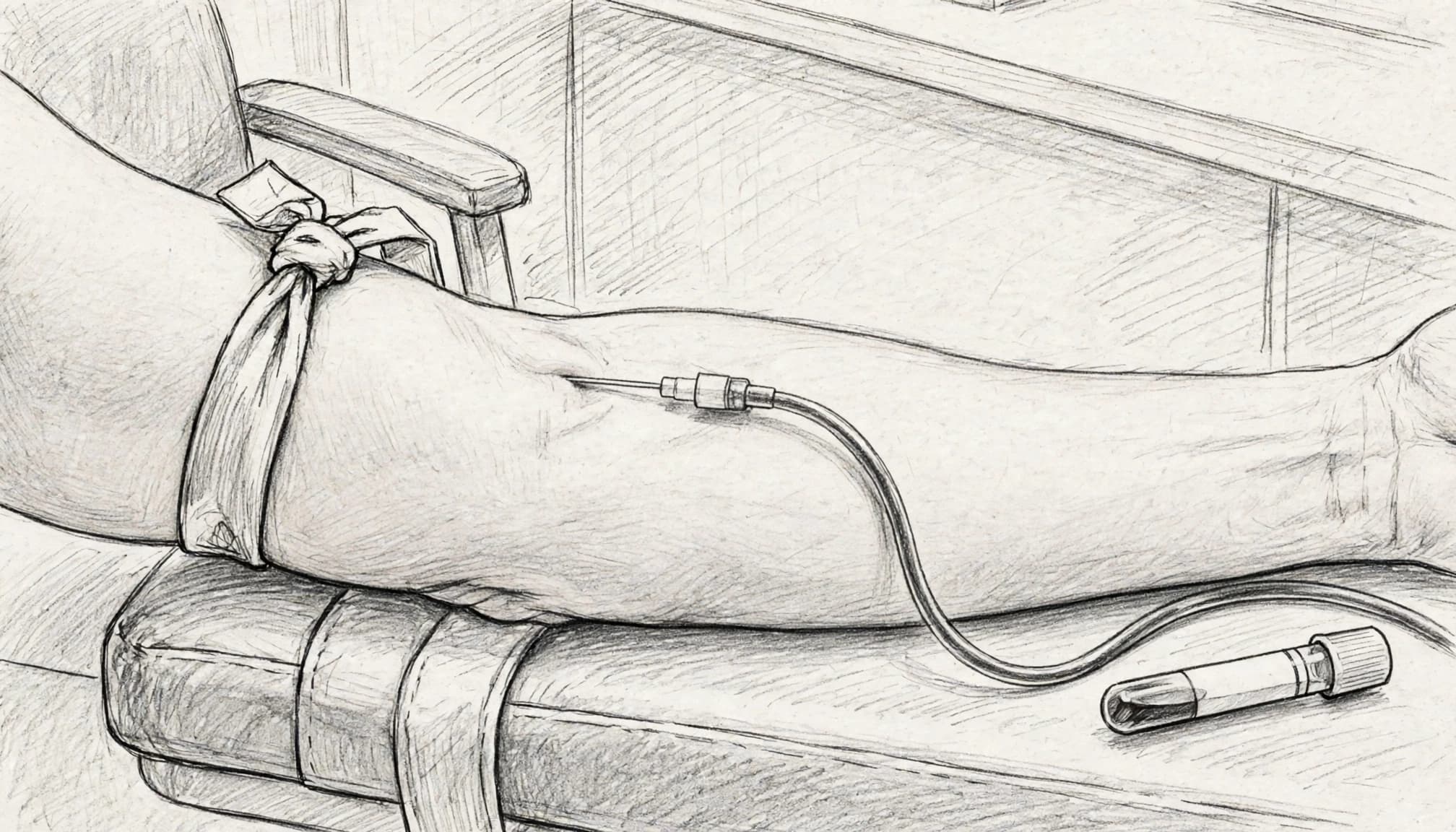
A healthcare professional cleans the skin, places a tourniquet around the upper arm, and collects blood through a small needle. The collection usually takes only a few minutes.
You may feel a brief sting. Minor bruising or bleeding can occur. Less common problems include a hematoma, which is blood collecting under the skin, dizziness, fainting, or infection.
Applying pressure afterward helps reduce bruising. Mention any history of fainting or use of blood-thinning medication before the draw.
Treatment and when to seek prompt help
Correct the cause, not just the number
Treatment depends on the electrolyte involved, the severity, and the underlying cause. It may involve adjusting medication, replacing fluid losses, or treating kidney or hormonal problems.
Oral rehydration solution can help replace water and salts after mild losses from diarrhea or vomiting. Oral rehydration salts have a defined balance of glucose and electrolytes. Commercial electrolyte drinks, including sports drinks, have different formulations and aren't equivalent to oral rehydration solutions.
Electrolyte drinks aren't necessary for everyday hydration for most healthy adults. Unsupervised potassium or magnesium supplements can be harmful, particularly with kidney disease.
Some people may benefit from electrolyte drinks after prolonged sweating. If you have kidney disease or a prescribed fluid limit, ask a clinician what's appropriate.
Severe dehydration may require IV fluids. Some severe abnormalities associated with kidney failure require dialysis. The treatment and correction rate need medical supervision.
Recognize symptoms that need urgent assessment
Seek urgent medical attention for new confusion, seizures, fainting, severe weakness, chest pain, or a persistent irregular heartbeat. Repeated vomiting with an inability to keep fluids down also needs prompt assessment.
If a clinician or laboratory contacts you about a critical result, follow the instructions promptly, even if you feel well.
A mildly abnormal result without concerning symptoms often allows a planned review. Your clinician can decide whether repeat testing or further investigation is appropriate.
Frequently asked questions
How quickly will results arrive?
Results may be available within hours or take a few days, depending on the laboratory and other tests ordered. Urgent hospital testing is generally processed faster than routine outpatient testing. Turnaround alone doesn't indicate how serious a result is.
Do I need a separate magnesium test?
Magnesium isn't always included in an electrolyte panel. A clinician may request a magnesium blood test for persistent gastrointestinal losses, certain medication effects, or unexplained low potassium or calcium.
Low magnesium is called hypomagnesemia; low calcium is called hypocalcemia. Neither should be assumed from cramps alone.
What should I discuss after an abnormal result?
Ask whether the change needs urgent treatment, whether medicines or recent illness could explain it, and when repeat testing is needed.
Bring your medication and supplement list. Previous results also help distinguish a new change from an established pattern.
Putting your results into context
These test results may suggest an electrolyte imbalance, but they can't identify its cause by themselves. Their meaning depends on the pattern, your symptoms, and other results.
Discuss flagged values before changing supplements or fluid intake. The next step should address the cause, rather than aim only to move a number into range.