


Food intolerance tests can investigate certain food-related complaints, but there's no single test that reliably identifies every intolerance. Broad IgG blood panels don't establish which foods cause symptoms, while targeted tests can answer more specific questions.
If you have bloating, diarrhoea (diarrhea) or stomach pain after meals, the useful starting point is your symptom pattern, rather than the number of foods on a panel.
Understanding what each method measures helps you choose an appropriate evaluation and avoid unnecessary food restrictions.
Key Takeaways
-
A positive IgG result doesn't prove that a food is causing symptoms or needs to be avoided.
-
Food allergy, lactose malabsorption and coeliac disease need different evaluations.
-
A structured elimination and reintroduction process can help identify triggers, but persistent or severe symptoms need medical assessment.
Food Intolerance, Allergy and Coeliac Disease Differ

Intolerance usually causes digestive symptoms
Food intolerance usually involves difficulty digesting a food or reacting to one of its components. Common effects include bloating, gas, diarrhoea and stomach pain, often appearing hours after eating. Reactions are usually mild and aren't life-threatening, although they can disrupt daily life.
Common triggers include lactose in milk, fructose, caffeine and sulphite additives. Some people report reactions to histamine-containing foods and call this histamine intolerance, but a broad panel can't establish that diagnosis. Wheat-related symptoms may involve gluten sensitivity or fructans, fermentable carbohydrates also found in other foods. Some people use "gluten intolerance" to describe non-coeliac gluten sensitivity, but the phrase isn't a diagnosis. Coeliac disease and wheat allergy need separate evaluation.
Headaches sometimes accompany food-related complaints, but they don't identify a trigger on their own.
Allergy and coeliac disease need separate assessment
Many immediate food allergies involve immunoglobulin E, or IgE antibodies. Reactions can begin within minutes and may cause hives, swelling, wheezing or anaphylaxis. Some food allergies involve other immune pathways.
Coeliac disease (celiac disease in US spelling) is a serious autoimmune condition affecting about 1% of people worldwide. Gluten triggers damage to the small intestine. It's different from non-coeliac gluten sensitivity, which is considered after coeliac disease and wheat allergy are excluded.
Keep gluten in your diet before coeliac testing, unless your clinician advises otherwise. As Mayo Clinic's diagnostic guidance explains, removing gluten can change the results.
If you've already stopped eating gluten, discuss the next step with a clinician rather than restarting it yourself.
What Blood-Based Food Intolerance Tests Measure
IgG panels measure antibodies, not symptom severity
IgG panels measure food-specific immunoglobulin G antibodies in blood. An individual IgG antibody reading may reflect normal exposure to a food, but it doesn't establish that the food causes symptoms.
The American Academy of Allergy, Asthma & Immunology doesn't recommend IgG food testing for diagnosing intolerance or sensitivity. It also notes that IgG4 may be associated with tolerance.
York Test uses a finger-prick sample to assess over 200 food and drink ingredients, measuring all four food-specific IgG subtypes. The Foodprint test is another IgG blood test. Published panel descriptions list 222 or 240 foods, so the product name alone doesn't identify an exact food count.
Neither panel diagnoses lactose intolerance or coeliac disease. Testing more foods doesn't overcome this limitation, and a negative result doesn't exclude other causes of digestive symptoms.
Cellular reactivity tests have different limitations
The ALCAT 100 Food Sensitivity and Intolerance Panel assesses cellular reactivity to 100 foods. Advertised printable results take about five business days.
Cellular reactivity testing isn't an established diagnostic method for determining which foods cause intolerance. A report may offer a detailed food list without proving that avoiding those foods will improve symptoms.
Kinesiology, hair analysis and vega testing also aren't reliable scientific methods for diagnosing food intolerance. They shouldn't replace a clinical assessment or guide a restrictive diet.
Targeted Tests Answer More Specific Questions
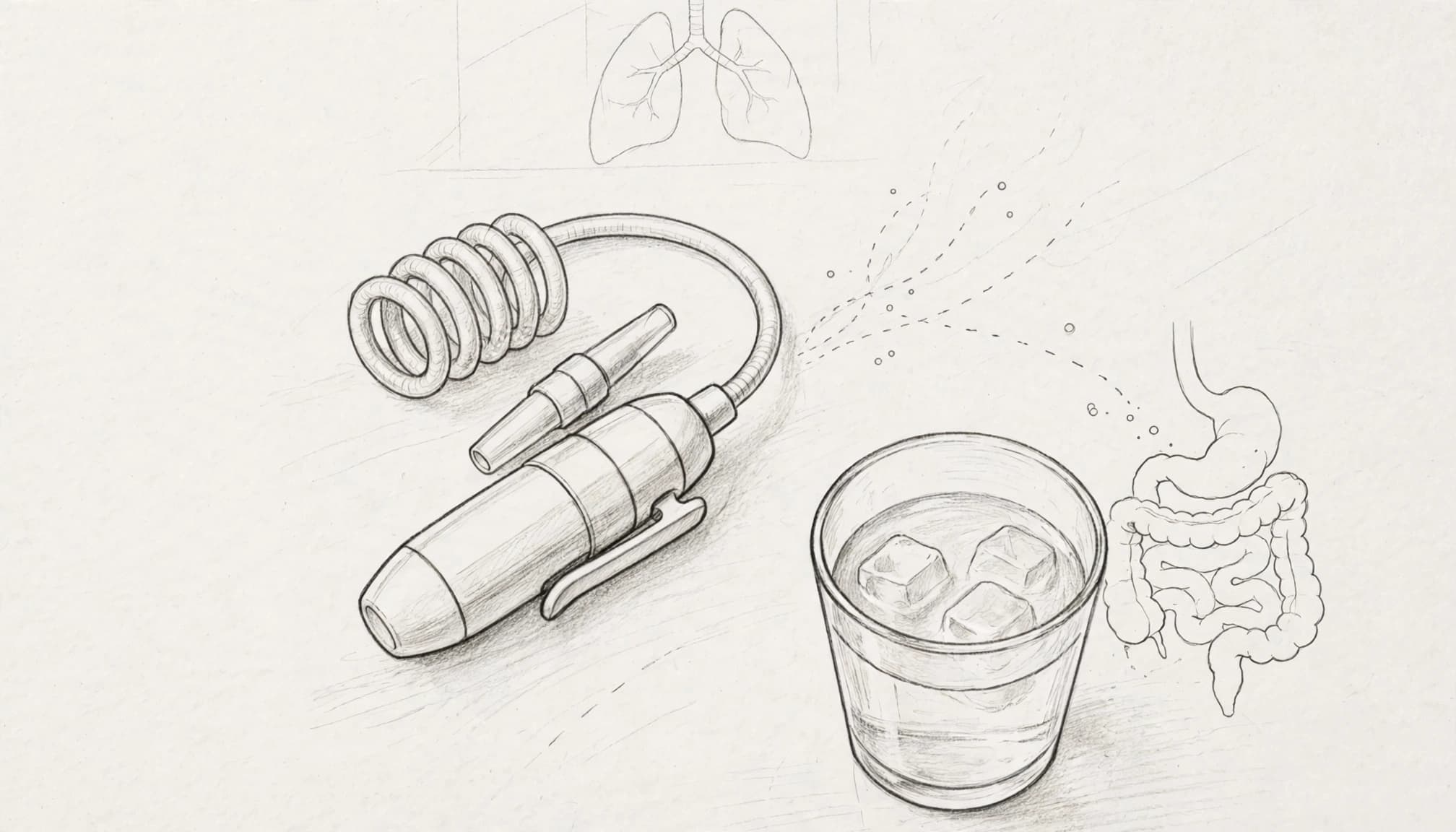
Hydrogen breath tests assess sugar malabsorption
During a hydrogen breath test, you drink a measured sugar solution and provide breath samples at intervals. If the sugar isn't absorbed well, bacteria ferment it and release gases that appear in your breath.
Devices such as LactoFAN2 measure hydrogen in parts per million, or ppm. Tests can investigate lactose and fructose malabsorption; specialised protocols can assess sucrose digestion. Some systems also measure methane.
As Cleveland Clinic's breath-test guidance describes, preparation and the chosen test substance matter. Results must be interpreted alongside symptoms, because malabsorption doesn't always cause discomfort.
A breath test can take several hours. It's different from a lactose tolerance blood test, which measures changes in blood glucose after lactose.
IgE tests support an allergy diagnosis
Food-specific IgE blood tests, including 44-allergen profiles, help investigate suspected immediate allergy. They detect sensitisation, meaning the immune system recognises a substance. A positive result alone doesn't prove clinical allergy.
Cross-reactive carbohydrate determinants, or CCDs, are shared sugar structures in many plants. They can produce positive blood results for several plant foods without corresponding symptoms. A review of CCD interference explains this source of false-positive results.
An allergist combines the history with selected blood or skin tests. A supervised oral food challenge may be needed. Don't attempt a home food challenge after a suspected allergic reaction.
Food Intolerance Test Prices in Dubai and the UAE
Prices reflect different methods and panel sizes, so they aren't direct measures of diagnostic usefulness. These are listed Bewell prices in October 2026.
<table><thead><tr><th>Bewell option</th><th>What it measures</th><th>Price</th></tr></thead><tbody><tr><td><a href="[https://bewelluae.com/package/food-intolerance">200+](https://bewelluae.com/package/food-intolerance%22%3E200+) food IgG panel</a></td><td>Food-specific IgG antibodies</td><td>AED 948</td></tr><tr><td>Combined IgG and IgE package</td><td>Two different antibody types</td><td>AED 1,298</td></tr><tr><td><a href="[https://bewelluae.com/package/food-allergy">Food](https://bewelluae.com/package/food-allergy%22%3EFood) Allergy IgE RAST44</a></td><td>IgE sensitisation to food allergens</td><td>AED 649</td></tr><tr><td><a href="[https://bewelluae.com/package/lactose-intolerance-">Lactose](https://bewelluae.com/package/lactose-intolerance-%22%3ELactose) intolerance test</a></td><td>Blood glucose response after lactose</td><td>AED 849</td></tr></tbody></table>Our 200+ food IgG package lists results in two days. Its 11 included groups cover categories such as vegetables, dairy, grains and seafood; they aren't 11 separate diagnostic methods.
For wider market context, Vesta Care advertises prices starting at AED 299. Its detailed 240-food panel listing is AED 1,379, with results in four to five days. That panel uses one blood sample assessed against foods, herbs and spices. The starting headline price shouldn't be treated as the price of that full panel.
Choose the clinical question before the package. Combining IgG and IgE testing doesn't make the IgG portion diagnostic of intolerance.
We offer at home blood sample collection across the UAE and in-centre appointments at Dubai Investment Park. Collection location doesn't change what a test can establish.
How to Read a Food Reaction Report
Start with the method: IgG, IgE, breath testing or another measurement. Similar-looking reports can answer different questions.
On an IgG report, coloured bands and numerical scores describe antibody readings. A red category doesn't measure symptom severity, intestinal damage or the amount you can safely eat.
For IgE, a positive result needs comparison with the reaction history. Its numerical value alone doesn't reliably predict how severe a future reaction would be.
Breath reports show changes in gas levels over time. The clinician considers the test protocol, preparation, symptoms during testing and other possible explanations.
A positive food-specific IgG result doesn't justify removing that food if you eat it without symptoms.
A negative commercial panel also doesn't rule out coeliac disease, lactose malabsorption, irritable bowel syndrome or inflammatory bowel disease. If symptoms continue, a reassuring-looking report shouldn't end the assessment.
What to Do After Testing
A useful plan links test results to symptoms and preserves as much dietary variety as possible.
-
Record your usual pattern. Keep a food and symptom diary, noting portions, timing, bowel changes, medicines and relevant factors such as stress. This helps distinguish repeated associations from isolated episodes.
-
Discuss persistent symptoms with a qualified healthcare professional. The assessment may consider coeliac disease, allergy, infection, irritable bowel syndrome, inflammatory bowel disease or medication effects. Testing should follow the suspected cause.
-
Use a focused elimination trial when appropriate. A dietitian may recommend an elimination diet that removes suspected foods for about four to six weeks. The duration depends on the condition and dietary approach. Don't remove several food groups solely because an unvalidated panel marks them positive.
-
Reintroduce foods systematically. For suspected intolerance, introduce one food at a time in planned portions and note symptoms. Improvement during elimination alone doesn't confirm a trigger. Reproducible symptoms during reintroduction provide stronger evidence.
Removing dairy, wheat, eggs and nuts together can reduce calcium, fibre, protein and dietary variety. Professional support helps maintain adequate nutrition.
Seek urgent help for breathing difficulty, throat swelling, faintness or a rapidly progressing reaction after eating. Blood in stools, unexplained weight loss, persistent vomiting or severe abdominal pain also need prompt assessment rather than further commercial screening.
Frequently Asked Questions
What is the most accurate test for food intolerance?
There's no universal test. A hydrogen breath test can investigate lactose malabsorption, while other symptoms need different assessments. For many suspected dietary triggers, a supervised elimination and reintroduction process is more useful than a broad IgG panel.
The appropriate method depends on the suspected mechanism and symptom history. Testing hundreds of foods doesn't automatically provide a more accurate answer.
Do I need to fast or change my diet?
Preparation depends on the method. Breath tests and lactose tolerance blood tests have specific dietary and fasting instructions. Food antibody blood tests may have different requirements.
Don't deliberately eat a food that previously caused an allergic reaction to prepare for testing. Don't stop prescribed medicines without clinical advice. If coeliac disease is being investigated, avoid starting a gluten-free diet before discussing testing.
Make Results Part of a Clinical Plan
Food intolerance tests are useful only when their measurements match the question being asked. A broad antibody report can't replace an assessment of symptoms or establish a list of foods you must avoid.
Discuss ongoing symptoms and results with a qualified healthcare professional. The goal is a clear, evidence-based plan that addresses the cause while keeping your diet as varied as possible.