


Yes, exercise before blood test appointments can temporarily change some results, especially after strenuous activity. The effect depends on the workout and which tests you're having.
For routine testing, skip a hard workout beforehand and follow your test's preparation instructions. Exercise and fasting are separate considerations: a test that doesn't require fasting can still be sensitive to recent exertion. Start by considering the intensity and timing of your workout.
Key Takeaways
-
Strenuous exercise can temporarily raise muscle-related enzymes such as CK, AST and ALT, which may affect how blood test results are interpreted.
-
For routine blood work, avoid hard training the evening before and the morning of your appointment. Follow the preparation instructions for your specific tests.
-
Fasting and exercise are separate considerations. A test that doesn't require fasting can still be affected by recent strenuous activity.
-
If you've already exercised, tell the person drawing your blood what you did and when. Don't delay urgent testing because of a workout.
-
If you have diabetes, arrange a fasting and medication plan with your clinician, and treat low blood sugar immediately.
How exercise affects blood test results
Intensity and the tests most affected
Some blood tests are more affected by strenuous activity than others. Heavy lifting, sprinting and endurance training place more stress on your muscles than an easy walk. Your usual fitness level and whether the workout was unfamiliar also matter.
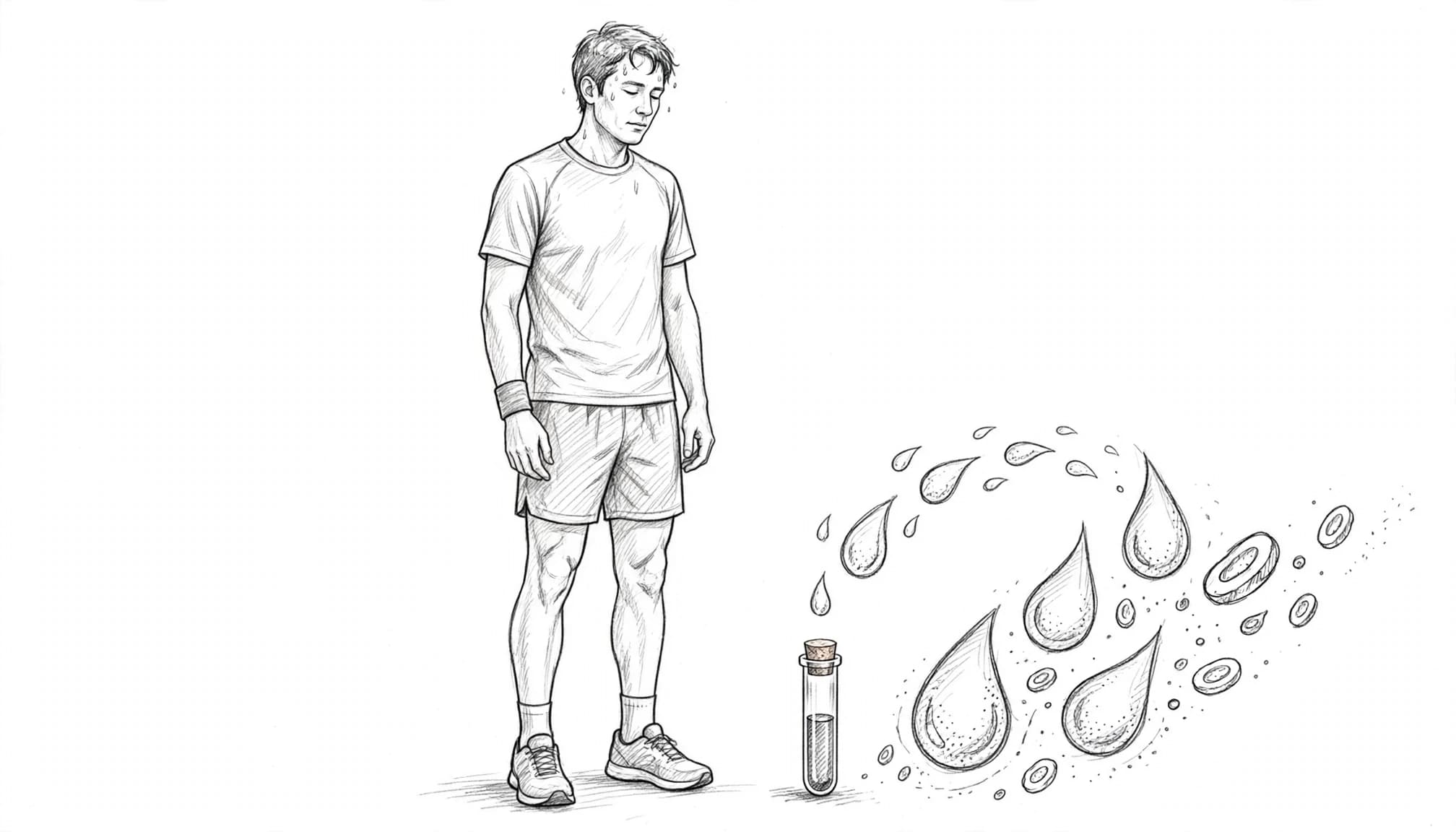
A review of exercise-related blood changes describes temporary increases in creatine kinase (CK), a muscle enzyme, and AST and ALT. Although laboratories commonly include AST and ALT in liver panels, muscles also release these enzymes.
As a result, a raised value after training doesn't automatically mean liver disease. However, your clinician still needs to assess an abnormal result.
Timing matters beyond the workout itself
Exercising immediately before collection gives your body little recovery time. However, muscle-related changes can outlast the return of normal breathing and heart rate.
A strenuous session the evening before is therefore worth reporting too. There's no single waiting period that applies to every workout and blood test.
Your fasting and exercise preparation checklist
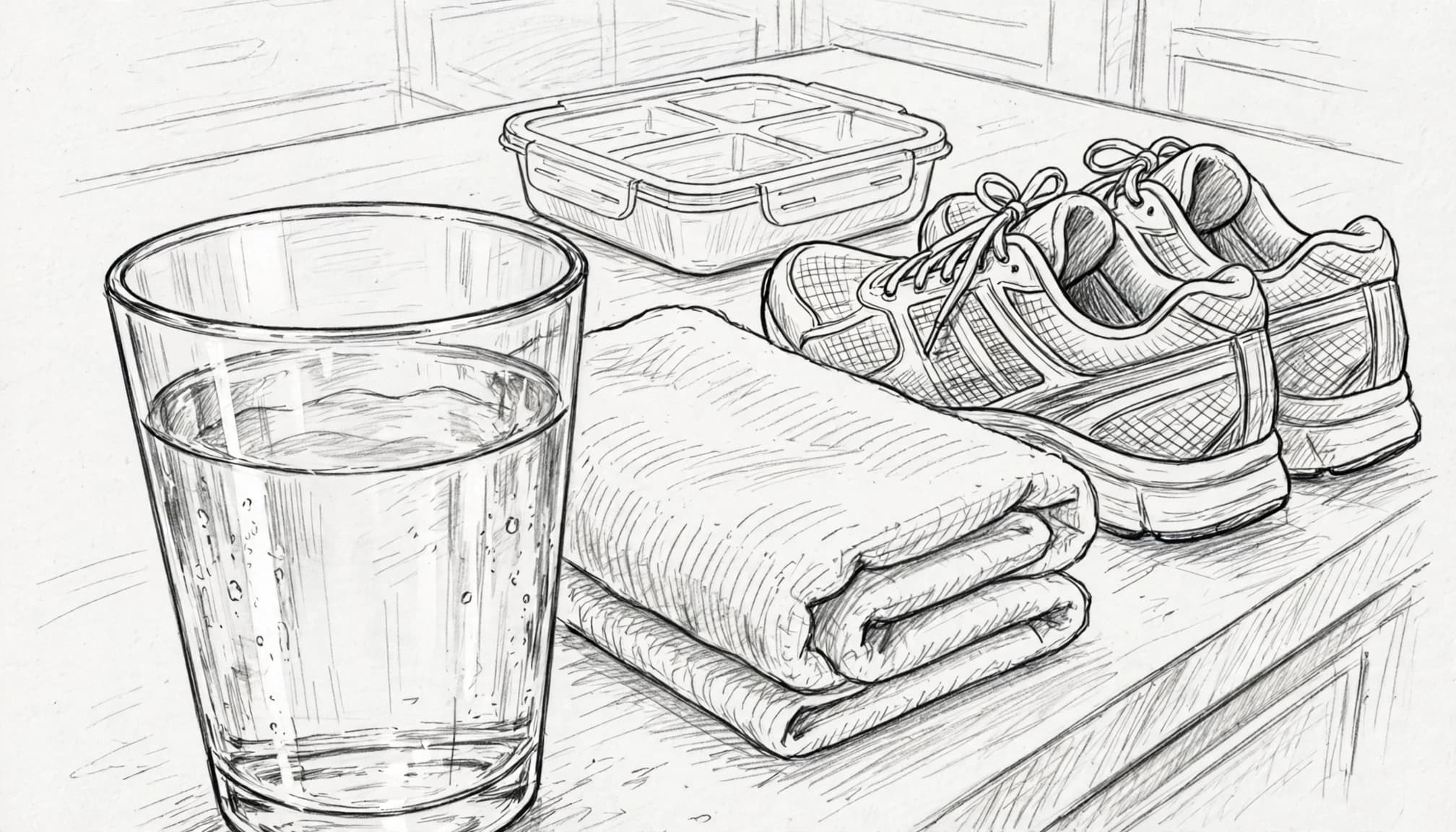
To support accurate results, keep preparation straightforward:
-
Keep the evening before free of hard training. Follow any alcohol restriction, which may extend beyond the fasting window.
-
If fasting is required, have only plain water for the prescribed period, commonly 8-12 hours. Avoid coffee, chewing gum and smoking.
-
Skip the morning workout and arrive without rushing. Sit calmly before collection rather than going straight from strenuous activity to the blood draw.
-
Follow your provider's instructions for prescribed medicines and supplements. Never stop them on your own just because you're fasting.
Morning appointments let you complete most of the fast while asleep. Our Full Health Checkup requires 8-12 hours of fasting because it combines tests with different preparation needs.
Preparation rules depend on the blood test
Glucose tests don't all require fasting
A fasting blood glucose test requires at least eight hours without food or drinks other than water. Below 100 mg/dL is normal; 100-125 mg/dL indicates prediabetes. A result of 126 mg/dL or higher reaches the diabetes threshold, usually requiring confirmation.
Mention any recent workout when preparing for a blood glucose test; strenuous activity may temporarily affect blood glucose.
For a standard, nonpregnancy oral glucose tolerance test, the two-hour result has different thresholds: 140-199 mg/dL indicates prediabetes, while 200 mg/dL or higher indicates diabetes.
By contrast, random glucose and HbA1c don't require fasting. HbA1c reflects average blood sugar over roughly three months. The initial pregnancy glucose challenge, usually offered at 24-28 weeks, also generally doesn't require fasting.
Cholesterol and thyroid testing have different rules
Lipid panels often involve fasting, although many cholesterol assessments can use a nonfasting sample. Food supplies nutrients that can affect triglycerides, so fasting helps standardize that measurement.
Nonfasting testing may suit a partial lipid panel or some younger adults, including those under 25. However, age alone isn't a fasting exemption.
Most thyroid blood tests don't require fasting by themselves. A combined panel may still require it because of other included tests. WebMD's fasting blood test guidance describes these test-specific differences.
What to do if you've already exercised
If you've completed a workout before a lab test, tell the person drawing your blood what activity you did, how strenuous it was and when you finished. Mention any unusual muscle soreness.
Don't assume you've spoiled the appointment. The team may proceed, document the exercise or recommend rescheduling affected tests. If you ate or drank anything other than water during a required fast, mention that before collection.
For urgent testing, don't delay medical care because you exercised. Explain the circumstances so the clinician can interpret the results.
Common blood test preparation questions
Can I drink water or black coffee?
Plain water is allowed during a standard fasting blood test. Normal hydration helps keep veins fuller and easier to find; there's no need to drink excessive amounts.
Black coffee isn't allowed during a water-only fast. Even without milk or sugar, caffeine can affect some test results.
What if I have diabetes?
Fasting can cause hypoglycemia, or low blood sugar, especially with insulin or certain diabetes medicines. Exercise during the fast can increase that risk.
Arrange an individualized medication plan with your prescribing clinician before fasting. Bring juice, hard candy or glucose tablets, plus food for afterward.
Treat low blood sugar immediately, even if that breaks the fast. Don't wait until after the blood draw if symptoms develop.
Do other tests have special restrictions?
Yes. MedlinePlus laboratory preparation guidance lists avoiding strenuous exercise or sexual activity for some tests, rather than every test.
For 5-HIAA testing, restrictions include avocados, bananas, pineapples, walnuts and eggplants. Preparation also extends beyond blood work: before a Pap smear, avoid douching, tampons and sex for 24-48 hours.
Keep your usual workout separate from testing
Strenuous exercise can temporarily change muscle-related enzymes and complicate interpretation. For routine blood work, a calm morning and the correct fasting preparation give your clinician a more consistent baseline.
If you've already trained, report the workout rather than cancelling automatically. The next step depends on the tests you're having.